
The History of Jamaica Blue Mountain Coffee
How did one misty corner of Jamaica come to produce the most celebrated coffee on earth? The story spans three centuries, an earthquake of demand and a fiercely guarded name.
Every great coffee has a story, but few have one as long or as colorful as Jamaica Blue Mountain. Its journey runs from a handful of imported plants in the 1700s to a name so valuable it now sits under legal protection. Understanding that history helps explain why a cup of authentic Blue Mountain feels less like a commodity and more like a piece of living heritage.
A gift of coffee plants
Coffee arrived in Jamaica in 1728, when the island's governor, Sir Nicholas Lawes, received coffee plants reportedly sent from the French colony of Martinique. The first seedlings were planted in the hills of St. Andrew, and they took to the climate almost immediately. Within a few years, coffee was spreading across the island, but it was the cool, misty slopes of the Blue Mountains in the east that would prove uniquely suited to growing something exceptional.
Why these mountains
The Blue Mountains rise sharply in eastern Jamaica, with peaks reaching over 7,000 feet. Coffee planted between roughly 3,000 and 5,500 feet found near-perfect conditions: high altitude, cool air, frequent fog and rich, mineral-laden mountain soil. Those conditions force the coffee cherries to ripen slowly, concentrating sweetness and flavor in the bean. The same geography that makes the region so beautiful also makes it ideal for growing remarkably smooth coffee, a connection we explore in our overview of what Jamaica Blue Mountain coffee is.
Boom, decline and revival
By the early 1800s, Jamaican coffee was flourishing and exports were substantial, with hundreds of estates carved into the hills. But the 19th century brought hard times. Shifts in labor after the abolition of slavery in 1838, falling global prices, hurricanes and soil erosion battered the industry one blow after another. Many estates were abandoned, smallholders took over much of the planting, and quality drifted. For a long stretch, the reputation of Jamaican coffee sank alongside its output, and buyers abroad grew wary.
The turning point came in the 20th century. To rescue the industry's good name, Jamaica took a step that would shape Blue Mountain's future: it began to regulate quality rigorously and protect the region's identity rather than leaving the name open to anyone.
Protecting the name
In 1950, the Jamaican government established the Coffee Industry Board to oversee standards, certification and the use of the Blue Mountain name. This was a pivotal moment. From then on, only coffee grown within a defined geographic area and meeting strict quality standards could legally be called Jamaica Blue Mountain. The name became a protected mark of origin, much like Champagne in France.
That protection is the reason authenticity matters so much today. The market is full of products trading on the prestige of the name, which is exactly why learning to spot fake Blue Mountain coffee is worth your time before you buy.
The rise of a global legend
Through the second half of the 20th century, Blue Mountain's reputation soared, especially in Japan, which became its single largest export market and at times bought the overwhelming majority of the harvest. Demand consistently outstripped the small supply the mountains could produce. That scarcity, combined with genuine quality, cemented Blue Mountain's status as one of the most sought-after and expensive coffees in the world, a story we break down in our guide to why it costs so much. Even now, the entire region produces only a modest amount of green coffee each year, a rounding error next to giants like Brazil, which keeps every authentic bag genuinely rare.
A few milestones help map the whole arc:
- 1728 — Coffee plants arrive in Jamaica and are planted in the hills near Kingston.
- Early 1800s — Jamaican coffee booms and exports flourish.
- 19th century — Economic and natural setbacks cause decline.
- 1950 — The Coffee Industry Board is founded to protect quality and the Blue Mountain name.
- Late 1900s — Global demand, led by Japan, makes Blue Mountain a worldwide luxury.
The legacy in your cup
When you drink authentic Jamaica Blue Mountain today, you're tasting the result of three centuries of geography, hard lessons and careful stewardship. The hand harvesting, the strict certification, the protected region, all of it traces back to a long effort to honor what those original plants found in the mountains.
That heritage is exactly what we set out to share. If you'd like to taste the history for yourself, browse our 100% Jamaica Blue Mountain coffee or start with a bag of fresh whole beans. Three hundred years of work deserves to be brewed with care.
Frequently Asked Questions
When did coffee first come to Jamaica?
Why is the Blue Mountain name legally protected?
Why did Blue Mountain coffee become so famous worldwide?
Was this helpful?
Ready to taste it?
Shop 100% authentic Jamaica Blue Mountain Coffee — whole bean, ground and pods.
Shop Coffee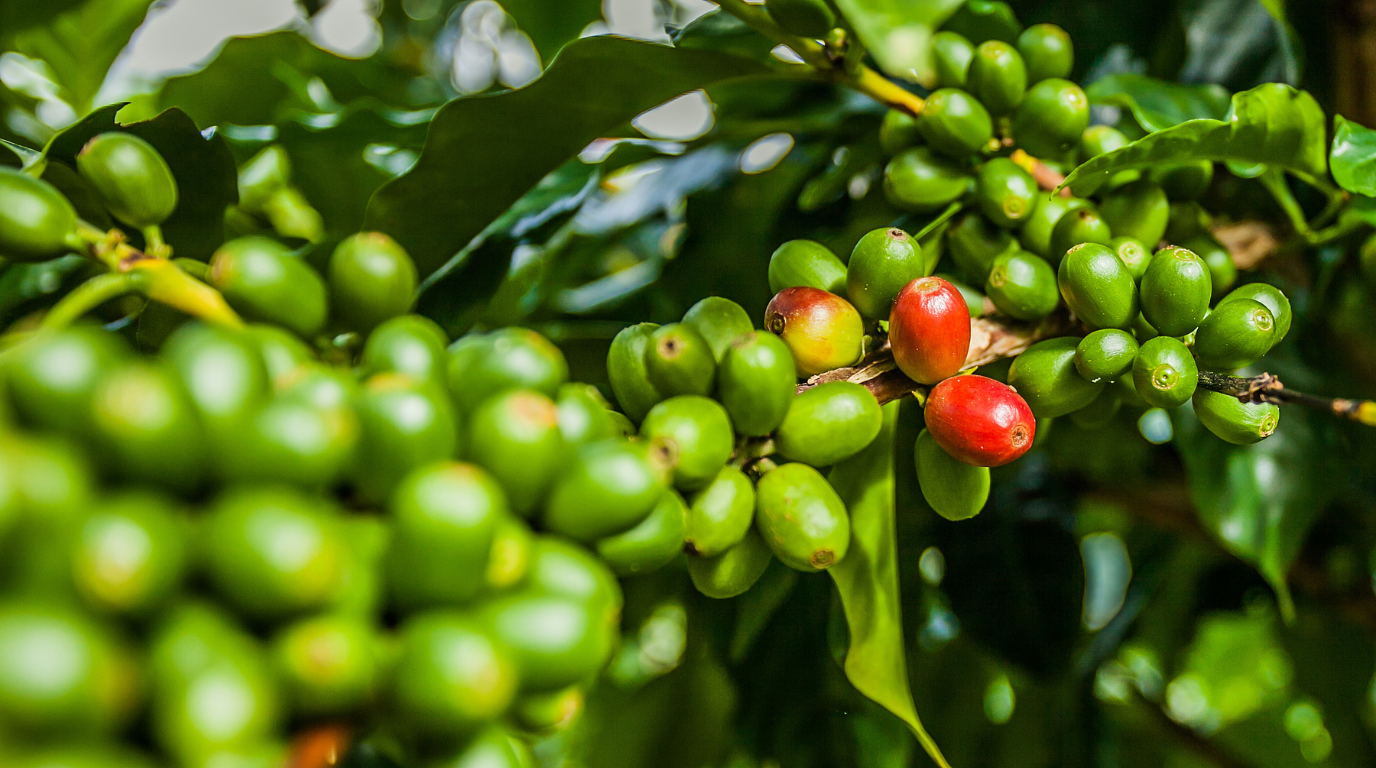

0 Comments
Be the first to share your thoughts.
Leave a comment
Please sign in with your email to leave a comment.