
Is Jamaica Blue Mountain Coffee Low Acid?
Blue Mountain is celebrated for its smooth, never-sour character. Here is what 'low acid' really means and how this coffee compares.
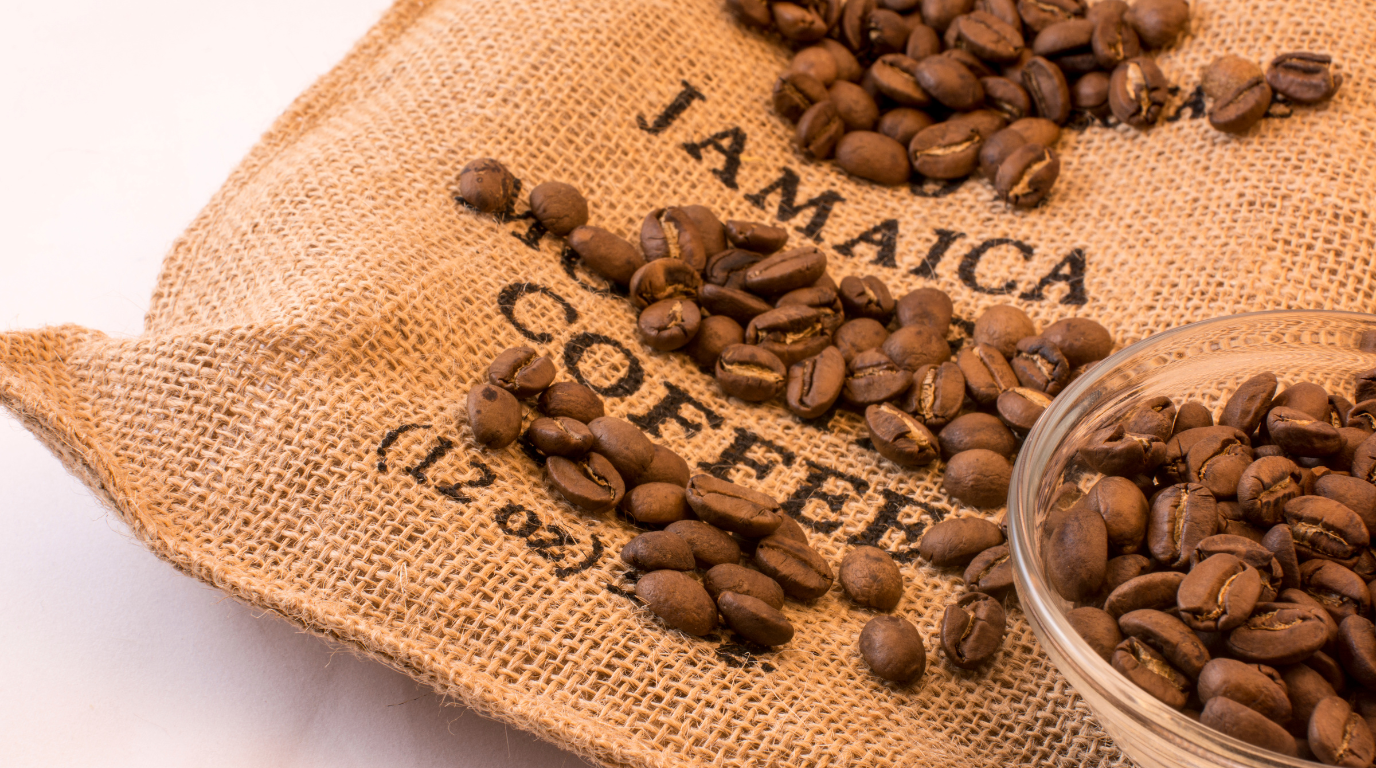
Ask anyone who drinks authentic Jamaica Blue Mountain coffee to describe it, and the word 'smooth' comes up almost immediately. A lot of people assume that smoothness means the coffee must be low in acid. The truth is a little more interesting, and worth understanding if your stomach is sensitive or you simply dislike a sharp, sour cup.
What 'acidity' actually means in coffee
Coffee people use the word acidity in two different ways, and mixing them up causes most of the confusion.
- Flavor acidity describes brightness and liveliness on the palate, the pleasant crispness that keeps a cup from tasting flat. This is a tasting term, not a measure of how harsh the coffee is on your body.
- Measurable acidity refers to pH, the chemical measure of how acidic a liquid is. Most brewed coffee lands somewhere around a pH of 4.85 to 5.1, which is mildly acidic regardless of the bean.
So when a coffee is praised for 'bright acidity,' that is a compliment about flavor, not a warning about pH.
Where Blue Mountain fits
Jamaica Blue Mountain is prized for being balanced rather than intense. It has a gentle, rounded brightness that never tips into the sour, biting sharpness you find in some lighter-roasted coffees. In everyday terms, most people experience it as a mellow, easy-drinking cup.
That said, no coffee that comes from the coffee plant is truly acid-free. Blue Mountain is best described as well balanced and exceptionally smooth, not as a specially formulated low-acid product. Its reputation comes from how clean and soft it tastes, which is a different thing from a lab-tested low pH. The chlorogenic acids and other compounds present in all coffee are still there. What sets Blue Mountain apart is that its flavors stay in harmony, so nothing jumps out as sharp or sour.
Why it tastes so soft
Several factors come together to give Blue Mountain its mellow character.
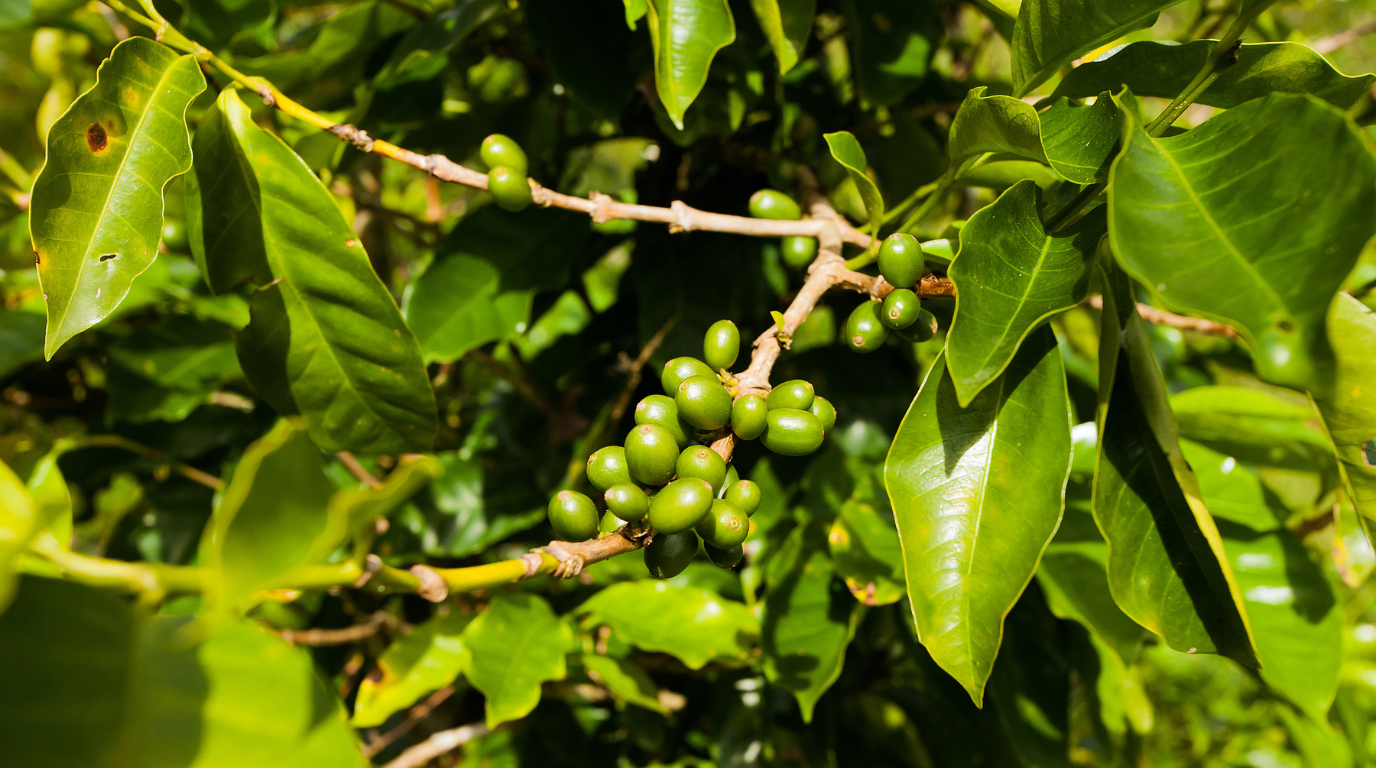
- High-altitude growing. The cool, misty slopes of Jamaica's Blue Mountains let cherries ripen slowly, building balanced sweetness.
- Careful hand harvesting. Picking only ripe cherries avoids the green, sour notes that underripe beans add.
- Skilled roasting. A medium roast rounds off sharp edges while keeping the bean's natural sweetness intact.
If you want the full background on how it is grown and processed, our overview of what Jamaica Blue Mountain coffee is goes deeper.
How brewing changes the equation
How you brew has a real effect on how acidic a cup feels, sometimes more than the bean itself. A few adjustments make any coffee gentler.
- Go a touch darker or longer. Darker roasts and slightly longer contact time tend to taste softer.
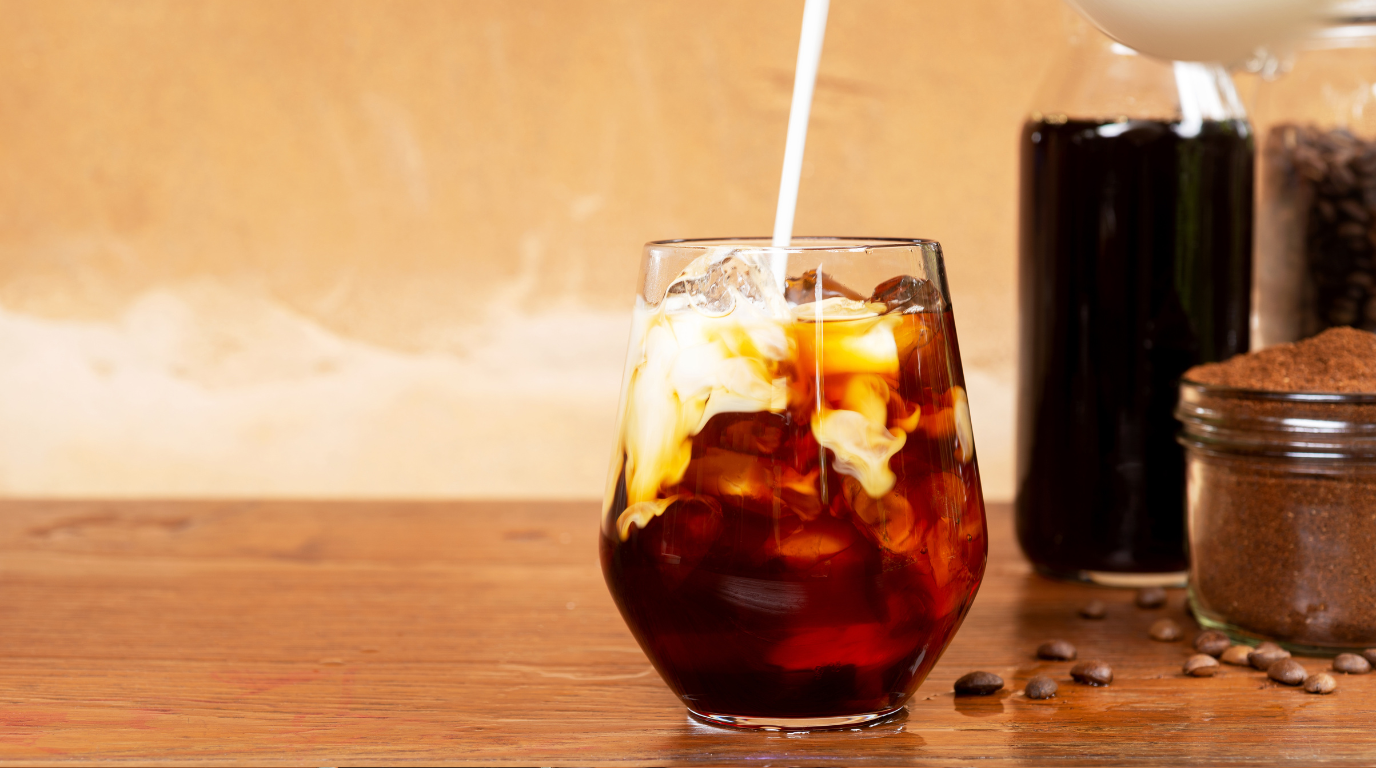
- Try cold brew. Steeping coarse grounds in cold water produces a notably smoother, less acidic-tasting result than hot brewing.
- Mind your water temperature. Water that is too hot can pull out harsher compounds. Aim for about 195 to 205 degrees Fahrenheit.
- Do not over-extract. Grinding too fine or steeping too long can drag out sharper flavors.
For method-by-method guidance, see our guide on how to brew Jamaica Blue Mountain coffee.
A note on sensitive stomachs
Many people who find ordinary coffee harsh report that a smooth, well-roasted cup sits better with them, and Blue Mountain is often mentioned in that context. Everyone is different, though, and acidity is only one of several things that can affect how coffee feels. The dose you use, drinking it on an empty stomach, and what you add to the cup all play a part. If you have a specific digestive condition such as reflux, talk with your doctor about what works for you rather than relying on any single coffee to solve it. We mention this not to dodge the question but because honest guidance matters more than an easy sales pitch.
The bottom line
Jamaica Blue Mountain is not marketed as a chemically low-acid coffee, but its naturally balanced, smooth profile means it rarely tastes harsh or sour. For many drinkers that gentle character is exactly the appeal. If you would like to try it for yourself, you can browse our 100% Blue Mountain coffee or pick up a bag of roasted and ground beans to start.
Frequently Asked Questions
Is Jamaica Blue Mountain coffee good for sensitive stomachs?
Does Blue Mountain coffee taste sour?
What is the most low-acid way to brew it?
Was this helpful?
Ready to taste it?
Shop 100% authentic Jamaica Blue Mountain Coffee — whole bean, ground and pods.
Shop Coffee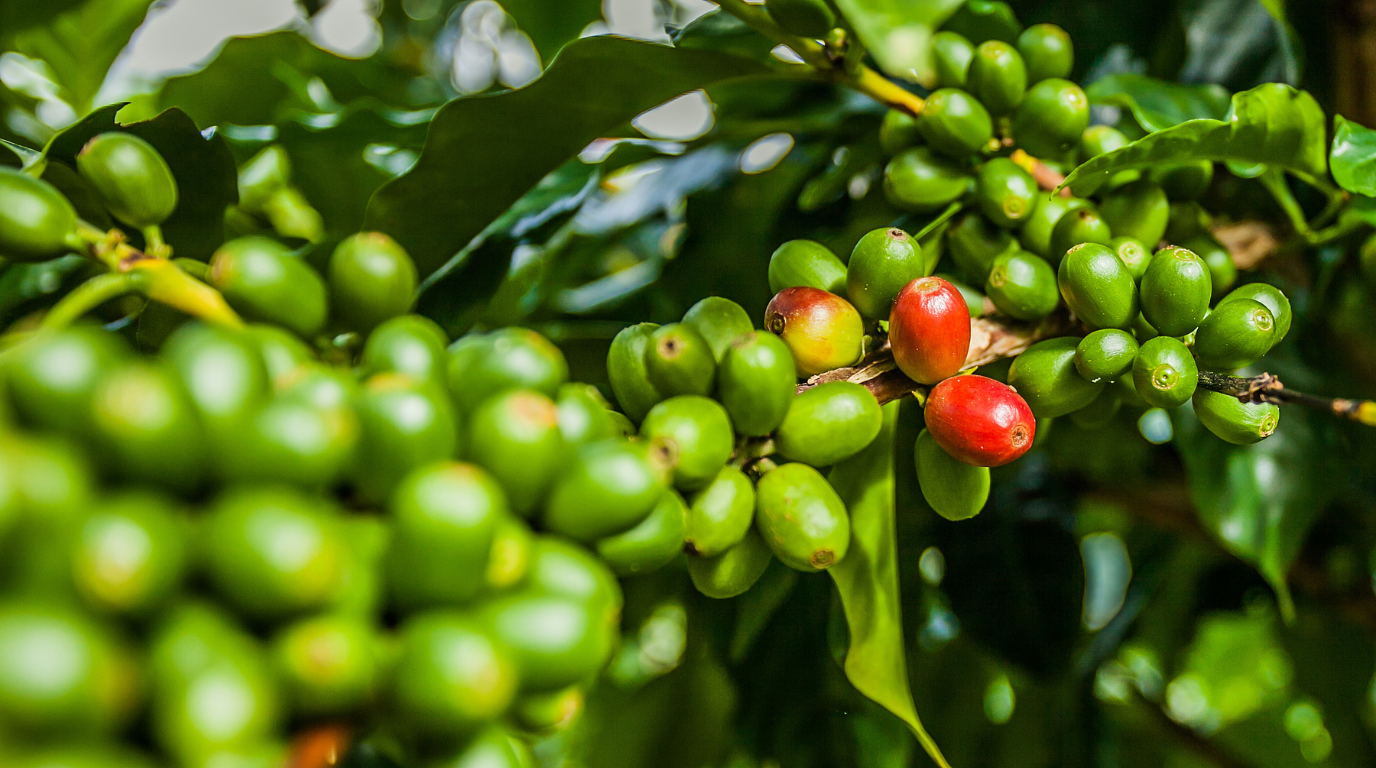
0 Comments
Be the first to share your thoughts.
Leave a comment
Please sign in with your email to leave a comment.