
Coffee Roast Levels Explained: Light, Medium & Dark
Roast level shapes flavor as much as origin does. Here is what light, medium and dark really mean and how to find your match.
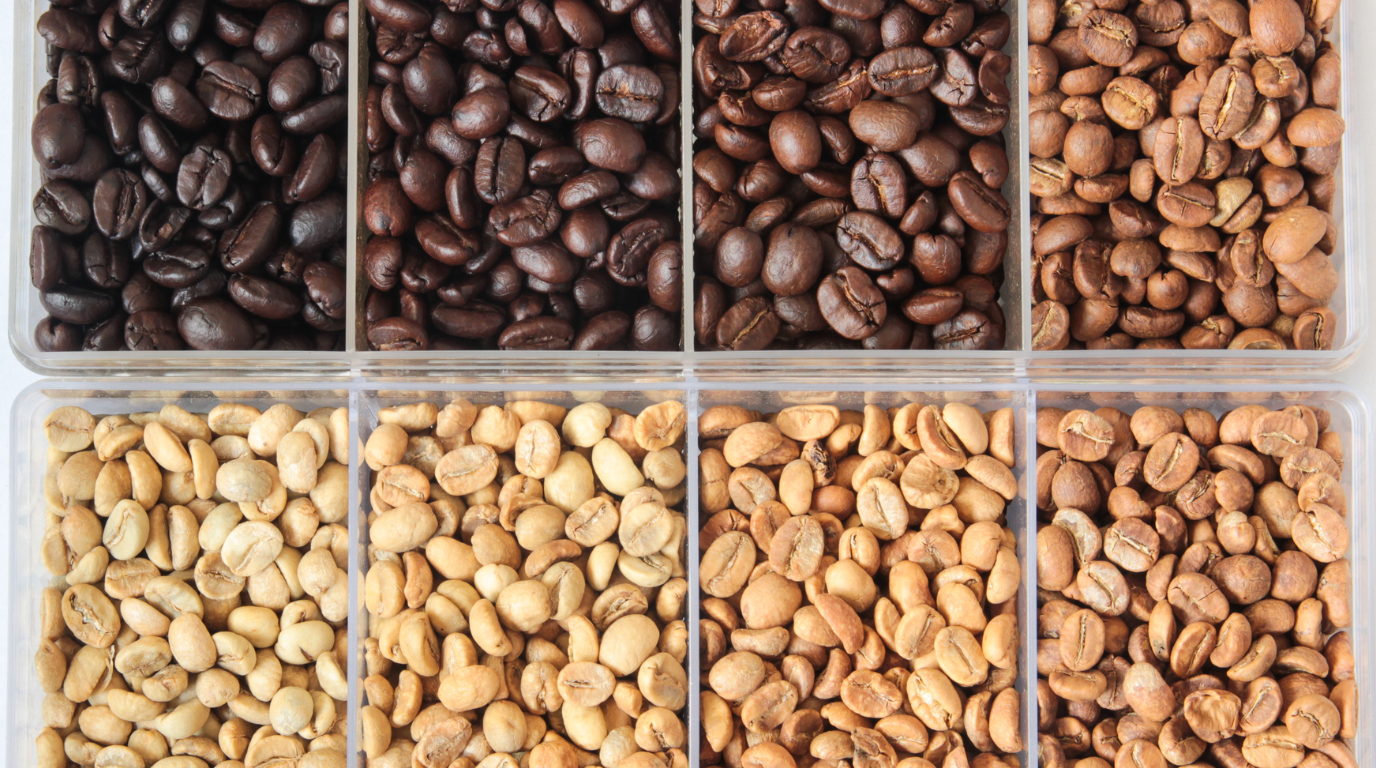
Two bags of the same beans can taste like completely different coffees depending on how long they spent in the roaster. Roast level is one of the most powerful flavor levers in coffee, yet the labels on the shelf rarely explain what they mean. This guide breaks down light, medium and dark roasts so you can choose with intention and get more from every bag, including a refined single origin like authentic Jamaica Blue Mountain coffee.
What roasting actually does
Green coffee beans are dense, grassy and almost flavorless. Roasting applies heat that triggers chemical reactions, develops sugars, and unlocks hundreds of aromatic compounds. The most important of these reactions caramelize the sugars and brown the bean, building the depth and sweetness we recognize as coffee. As the beans heat up they crack audibly, an event roasters call first crack, the moment the structure pops open under internal pressure. Pull the beans soon after and you get a lighter roast; let them go longer, toward and past a second crack, and the roast darkens. The longer the roast, the more origin character gives way to roast character, so the roaster is constantly balancing the bean's natural identity against the flavors heat creates.
Light roast
Light roasts are stopped at or just after first crack. The beans are tan to light brown with a dry surface and no visible oil. This level preserves the most of the bean's original personality, so light roasts tend to be brighter and more acidic, with floral, fruity or tea-like notes. Body is lighter and the flavors are crisp and complex. Single-origin coffees with prized terroir are often roasted light to let that character shine.
Medium roast
Medium roasts sit between first and second crack. The beans are a richer brown, still mostly dry on the surface. This is the balance point that many drinkers love: enough development to round out the acidity, enough restraint to keep the bean's identity intact. Expect a fuller body than a light roast, gentle sweetness, and notes that often lean toward caramel, nuts and mild chocolate. It is a forgiving, crowd-pleasing level.
Dark roast
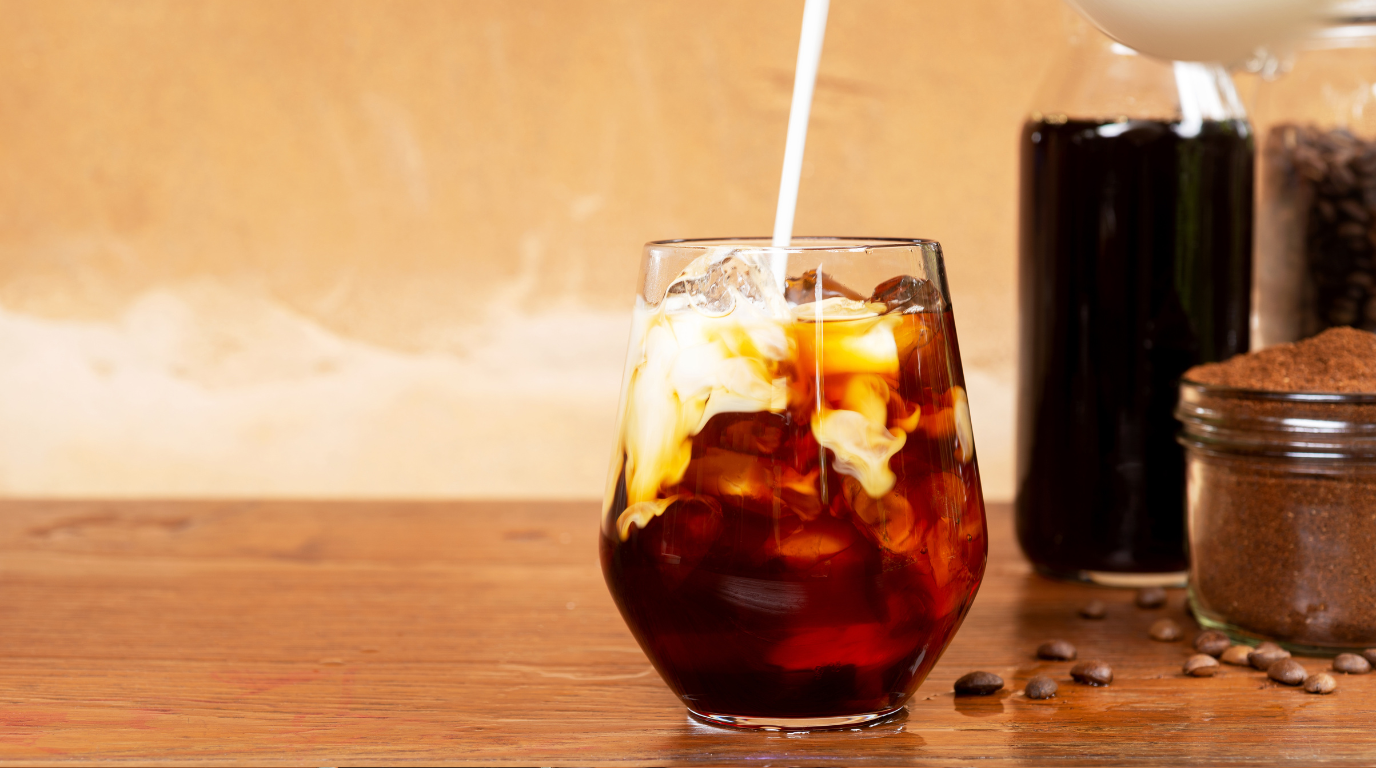
Dark roasts continue into or beyond second crack. The beans turn deep brown to almost black with an oily sheen. Roast character now dominates: bold, smoky, sometimes bittersweet, with low acidity and a heavy body. The trade-off is that the bean's subtle origin notes are largely replaced by flavors created in the roaster. Dark roasts suit drinkers who want intensity and pair well with milk.
Quick comparison
| Roast | Color | Acidity | Body | Flavor notes |
|---|---|---|---|---|
| Light | Tan to light brown | High | Light | Floral, fruity, bright |
| Medium | Medium brown | Balanced | Medium | Caramel, nutty, smooth |
| Dark | Dark brown, oily | Low | Full | Bold, smoky, bittersweet |
A quick word on caffeine, since it drives a stubborn myth. Many people assume dark roast is stronger because it tastes bolder. In truth, caffeine is remarkably stable through roasting, so the difference between roast levels is small. By weight, light roasts hold a touch more caffeine, while by scoop the picture shifts slightly because darker beans are less dense and you fit more of them per spoon. For most people the gap is negligible, so flavor, not caffeine, should drive your roast choice.
How to choose your roast
Match the roast to what you enjoy in the cup:
- Love bright, complex, fruit-forward coffee? Reach for a light roast.
- Want balance, sweetness and easy everyday drinking? A medium roast rarely disappoints.
- Prefer bold, low-acid intensity, especially with milk? Go dark.
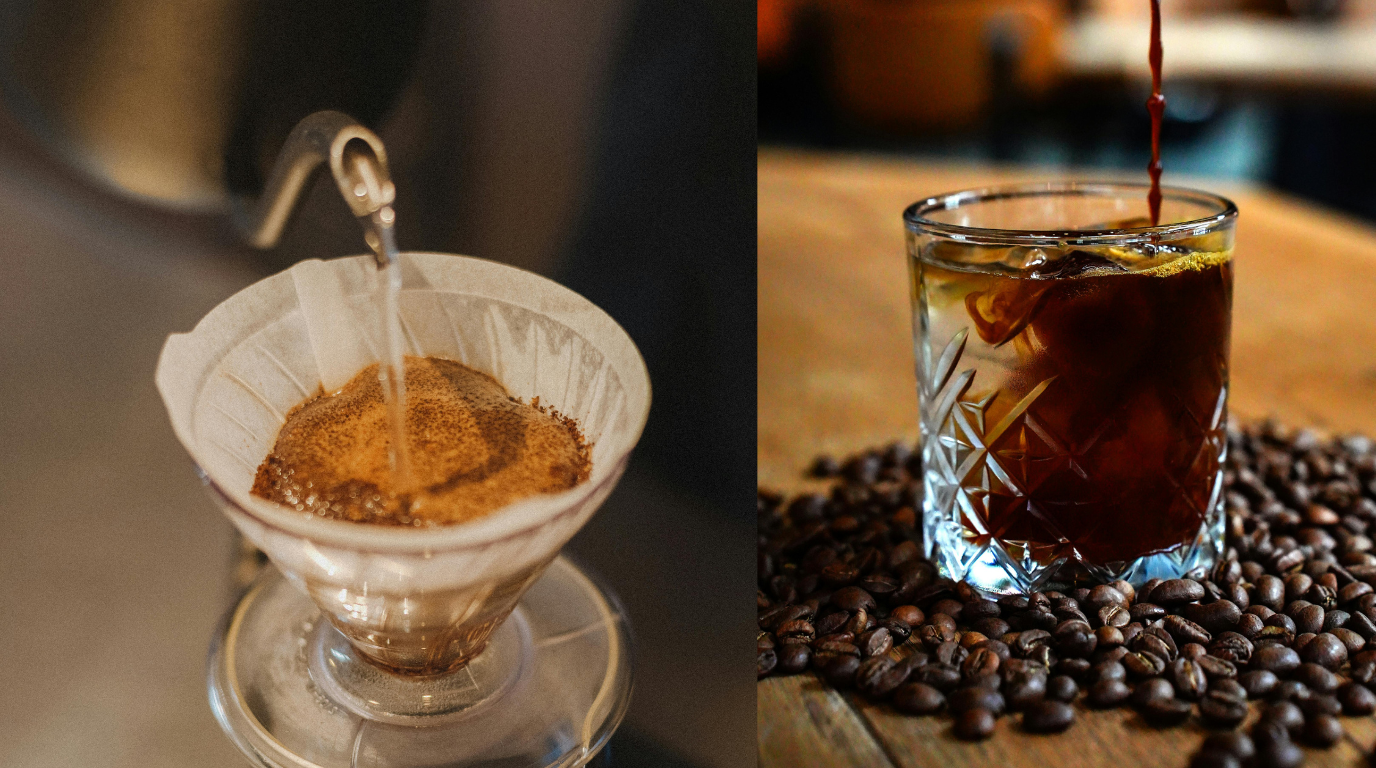
For a delicate, balanced coffee, a lighter-to-medium roast best showcases its natural smoothness and gentle sweetness. If you enjoy bolder cups or convenience, our dark roast Blue Mountain pods deliver a richer profile in a single-serve format. To understand how roast interacts with the bean itself, read about what makes Jamaica Blue Mountain coffee special, then dial in your method with our brewing guide.
In the end there is no single best roast, only the roast that fits your palate. Light keeps origin character front and center, dark leans into bold roast flavor, and medium splits the difference. It is worth tasting the same beans at different roast levels at least once, because feeling the contrast in your own cup teaches you more than any description can. Once you know what each level brings to the table, picking the right bag from the shop becomes simple.
Frequently Asked Questions
Does dark roast have more caffeine than light roast?
Which roast is best for single-origin coffee?
What roast level is easiest to drink every day?
Was this helpful?
Ready to taste it?
Shop 100% authentic Jamaica Blue Mountain Coffee — whole bean, ground and pods.
Shop Coffee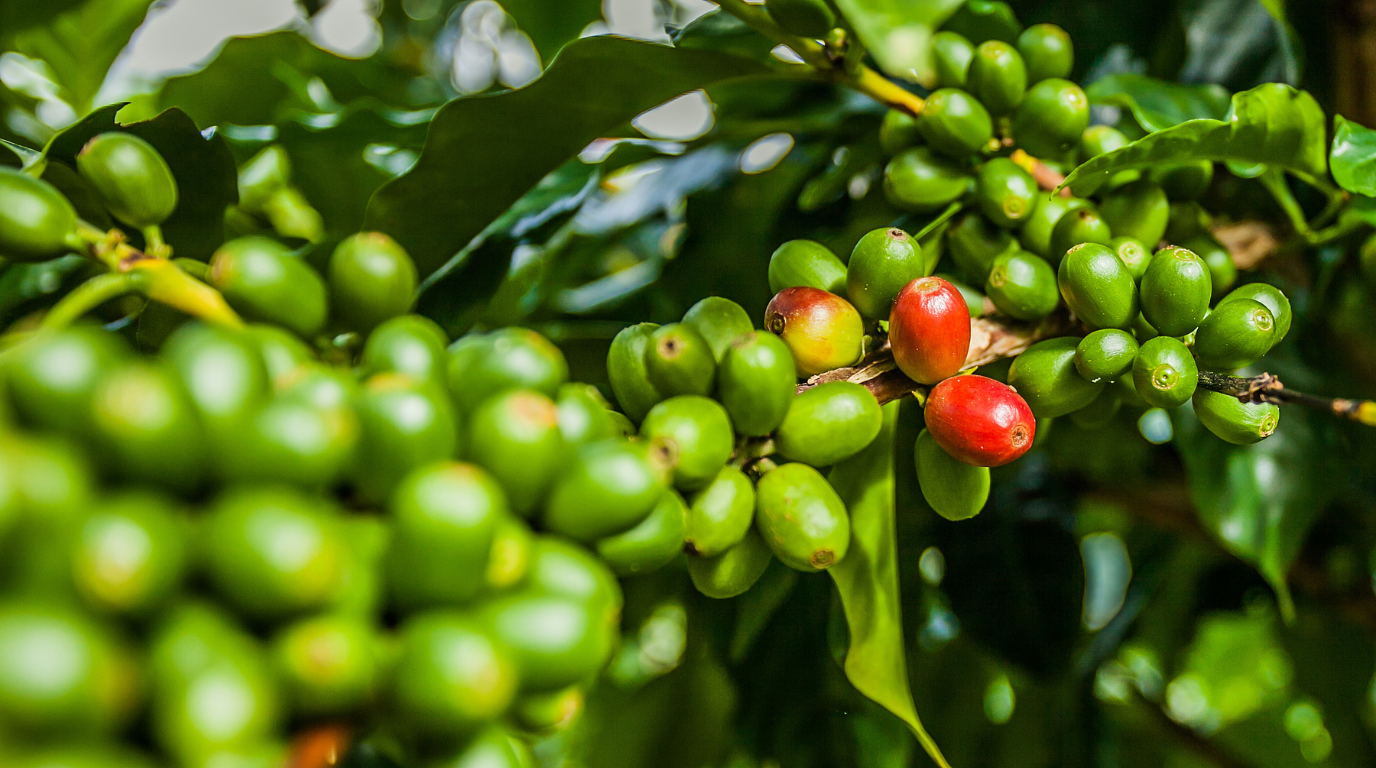
0 Comments
Be the first to share your thoughts.
Leave a comment
Please sign in with your email to leave a comment.